Pork is not one cooking project. A thin chop, a rack of ribs, and a shoulder roast might come from the same animal, but they want very different treatment. Confusing those methods is how a speedy weeknight dinner becomes an all-day argument with the smoker.
When you’re cooking chops
Chops are best when you manage heat and stop cooking at the right time. Set up a hot section for browning and a cooler section for finishing thicker cuts. Hard Maple can be a delicious sweet-and-savory direction, but keep sugary seasoning away from prolonged intense flames.
For whole-muscle pork chops and roasts, USDA’s safe minimum is 145°F followed by at least a three-minute rest. That’s different from the target texture of pork shoulder meant for pulling. Ground pork needs 160°F.
When you’re cooking ribs
Ribs are about tenderness as much as color. Remove the membrane if your preparation calls for it, apply a balanced coating of Original Recipe, and cook with gentle indirect heat. You can decide whether to wrap partway through based on the texture you like; there is no requirement to follow a single internet-famous timetable.
If you want sauce, brush a light layer on near the end. Too much sauce too early can create an overly dark outside while the meat is still working toward tenderness.
When you’re cooking shoulder
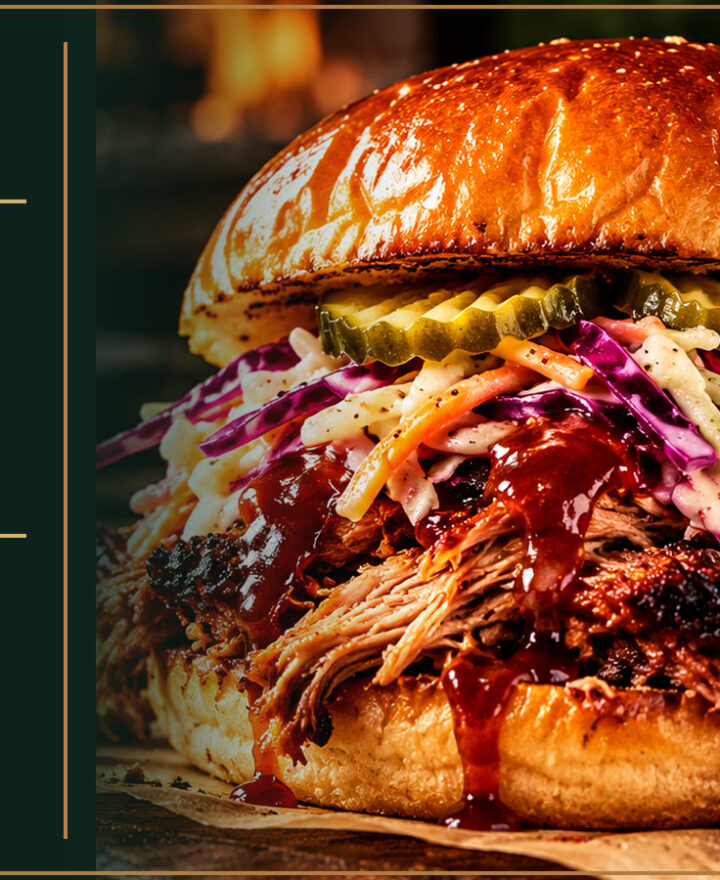
Shoulder rewards patient indirect heat because connective tissue must soften. Start with reliable fuel, check your cooker temperature, and give yourself a wide serving window. The roast can reach a safe food temperature before it reaches the soft, shred-ready texture expected of pulled pork.
That is why a pulled-pork cook is often judged by probe tenderness, not by one magic finish number or a particular number of hours per pound.
Match the plate to the cooking time
For fast chops, put the sides on first and grill just before dinner. For ribs, plan slaw, grilled corn, or beans that can hold while you finish. For pulled pork, build a make-ahead buffet: rolls, pickles, vinegar slaw, and a few finishing sauces in clean serving bowls.
Don’t forget the leftovers
Cool cooked pork promptly in shallow containers. Later, use it in rice bowls, tacos, baked potatoes, or grilled sandwiches. Reheat leftovers to 165°F.
Whether you have forty minutes or most of Saturday, the trick is choosing the pork cut that fits the time you actually have. Richard would call that excellent judgment, right before taking credit for your dinner.
Food-safety reference: USDA Safe Minimum Internal Temperature Chart and USDA Safe Food Handling. Check current guidance when cooking.