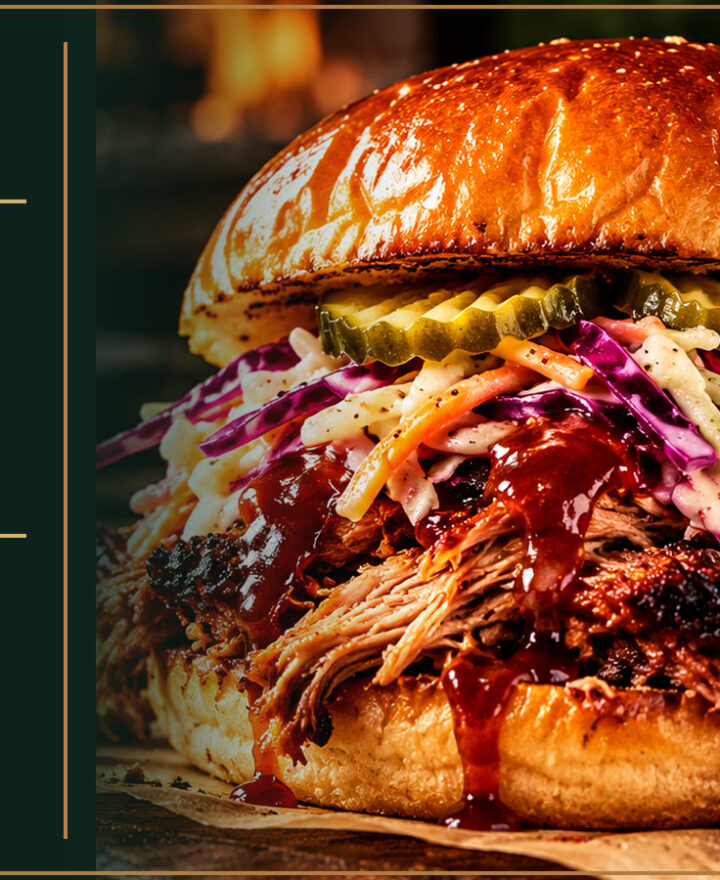
You do not need a backyard that looks like a television cooking set. A sturdy grill, a trustworthy thermometer, and a plan for handling raw food will get you farther than a drawer full of gadgets used twice a summer. Here are the things worth giving space to.
Start with a heat source you understand
Gas is convenient and responsive. Charcoal rewards practice and gives you flexibility in arranging hot and cooler zones. Pellets and dedicated smokers make longer cooks easier to control, though every cooker still needs attention. Buy for the meals you actually cook rather than somebody else’s highlight reel.
Before the first big weekend, learn your grill’s airflow, hot spots, ignition system, and shutoff procedure. Check the manufacturer’s recommendations for placement. A clear working area is an ingredient in a successful cook, even if it doesn’t get a line on the recipe card.
The five workhorses
- Instant-read food thermometer. Color, time, and guesswork cannot tell you reliably whether the center is safely cooked.
- Long-handled tongs. Better control than repeatedly stabbing food with a fork, and useful for turning vegetables in a basket.
- A decent heat-resistant glove. For moving hot lids and handling cookware, with the proper protection specified by the manufacturer.
- Two clean trays or plates. One handles raw food; the other receives cooked food. Never let them meet accidentally.
- A safe grate-cleaning tool. Inspect it before use. Avoid tools that can shed wire bristles into food.
Add a grill brush suited to your grates, a small cutting board, and a timer only if you need them. Resist the urge to buy complicated attachments before you know what problem they solve.
Build a simple flavor shelf
A good all-purpose rub, a savory blend for beef, an herb-forward option for poultry, a neutral oil for foods that need it, and an acidic finishing ingredient cover a surprising number of dinners. Original Recipe, Prime Cut, and Italian Job are useful starting points from the Raunchy Rooster lineup.
Keep blends tightly closed, cool, and dry. Pour seasoning into a clean prep dish instead of shaking directly over raw poultry and then setting the same jar on your dining table. Food handling doesn’t have to be glamorous to be important.
Give yourself a landing zone
A small table for clean utensils and finished food makes grilling easier. Put a trash receptacle nearby, keep raw packages contained, and make sure the cook has access to a sink or handwashing supplies. Lighting matters if your grilling habit runs past sundown.
The readiness test
Before lighting the fire, ask: Do I know where the cool zone is? Is the food safely thawed? Have I got a thermometer and a clean serving platter? Is there enough fuel? If those answers are yes, you’re ready to cook.
You can always buy another gadget later. Richard would prefer you spend that money on something worth grilling.